


A Season for Change
Alabama is the poorest state in the nation.
Let that sit for a moment.
Now consider this:
Alabamians pay more for electricity than almost anyone else in the United States. Not just more than wealthy states. More than states with higher incomes. More than states where people can actually afford the bills that land in their mailboxes each month.
That contradiction is not accidental.
It is structural.
And it is political.
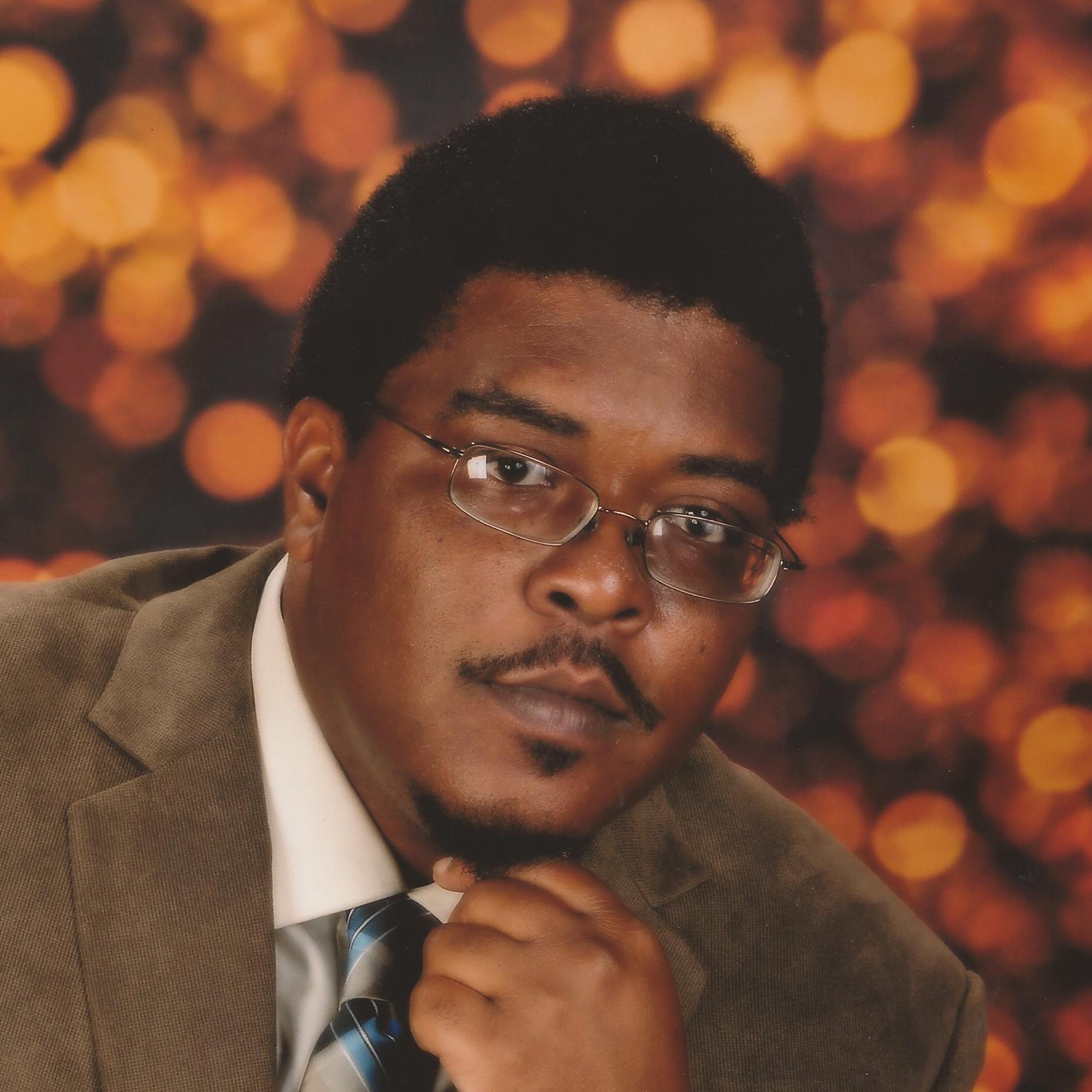
A few days ago, I learned that my son, Wilkie S. Frieson, drove to Montgomery and qualified as a candidate for Place 2 on the Alabama Public Service Commission.
As his mother, I felt pride — real pride. But I also felt something else: disbelief mixed with cautious hope. Because Gen-Xers are not known for political idealism. They are known for skepticism, independence, and a hard-earned understanding of how systems really work. And yet, here he was, stepping forward anyway.
That matters.
Because the Alabama Public Service Commission is not some obscure agency tucked away in state government. It is one of the most powerful—and least accountable—institutions in Alabama. The PSC directly affects how much families pay to keep their lights on, how small businesses survive, and how entire communities shoulder economic burden.
For years, consumer advocates, environmental organizations, and policy analysts have said the same thing: the Alabama PSC functions as a rubber stamp for monopoly utilities — particularly Alabama Power — rather than as a watchdog for the public.
That assessment is not rhetoric. It is documented.
In 2013, the Institute for Energy Economics and Financial Analysis released a 16-page report titled Public Utility Regulation Without the Public: The Alabama Public Service Commission and Alabama Power, prepared for the Alabama Arise Citizens’ Policy Project. The report found that Alabama Power had not faced a full public rate case since 1982, and that rate adjustments were being approved through opaque, formula-based mechanisms with virtually no public participation, no meaningful transparency, and no evidentiary hearings
[Reference: “Public Utility Regulation Without the Public: The Alabama Public
Service Commission and Alabama Power” a 16-Page report prepared by the Institute For Energy Economics & Financial Analysis, and released on March 1, 2013 — 13 years ago.]

Thirteen years later, nothing has changed.
Not the process.
Not the imbalance.
Not the burden placed on consumers.
I know this — not just as a researcher or writer, but as a ratepayer. I recently received an electric bill for a building I rarely use — a bill so high it suggested constant occupancy, daily cooking, and round-the-clock activity. None of that was true. And yet, the charge stood, unquestioned, unavoidable.
That is what monopoly power looks like when it goes unchecked.
Now let me be clear about something else.
As a Black woman, a lifelong Alabamian, a business owner, a taxpayer, and a registered voter, I do not experience this issue in the abstract. Black communities in Alabama are disproportionately low-income. That is not coincidence — it is the result of historical exclusion, economic marginalization, and policy decisions layered over generations.
When utility costs rise without oversight, we feel it first and hardest.
And despite decades of talk about progress and racial reconciliation, Alabama remains functionally racist in its systems. Not always loud. Not always obvious. But deeply embedded — in who holds power, who benefits from regulatory silence, and who absorbs the cost when accountability disappears.
So where does that leave us?
Here is the part that matters most.
This system persists because too many of us have been locked out of participation — or convinced that participation doesn’t matter. But the truth is simpler and more uncomfortable: power concedes nothing unless it is challenged, and in Alabama, one of the few levers ordinary citizens still possess is the vote.
Especially Black voters.
We are not powerless. We are under-engaged.
So let me say this plainly, to Black citizens and voters across Alabama:
This is a season for change — but change will not happen without us.
If we want different outcomes, we must do the following:
Commit now to voting in November.
If you are not registered, start today.
Secure whatever identification or credentials you need—well in advance.
Monitor your voter status regularly.
Bring at least ten others with you — family, friends, church members, neighbors.
Show up on Election Day. Period.
In the words of Malcolm X: by any means necessary.
Because regulatory bodies do not reform themselves.
Systems do not correct their own abuses.
And silence is always interpreted as consent.
This is not about party politics.
It is about accountability.
It is about dignity.
It is about survival.
And it is about whether we are finally willing to use the power we already have.

The Southern Justice Archive
Presented By: Charlotte A. Clark-Frieson aka
Wilkie Clark’s Daughter”
“Documenting what happened, Preserving what matters, Protecting what must endure!”